salesmanager@frank-tech.com
13991423357

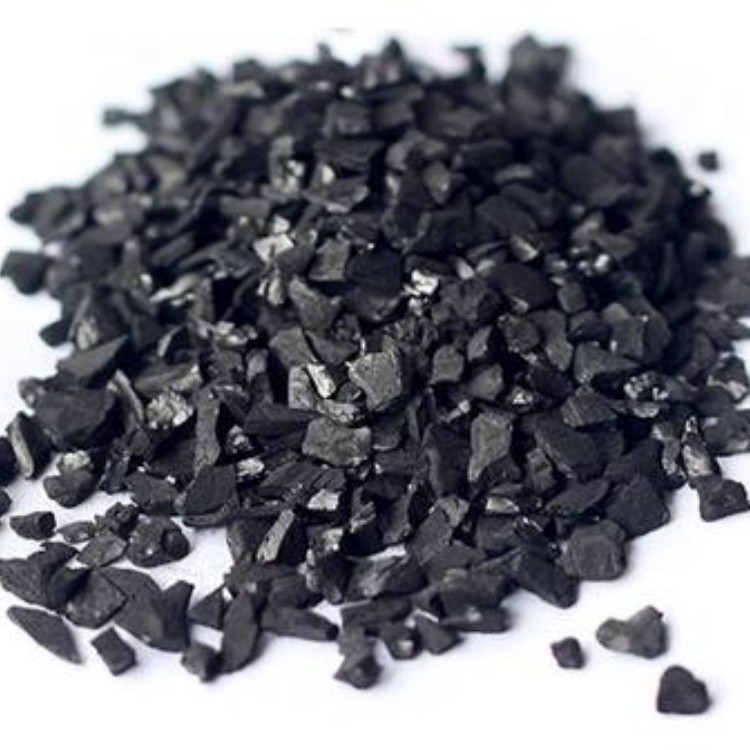
Lodine value: 700–1050 mg/g
Strength ≥ 93%
Ash content ≤ 4%, for acid-washed products, ≤ 2%
Bulk density: 0.48–0.58 g/cm³
Moisture content ≤ 10%
PH value: 7–9
Product details
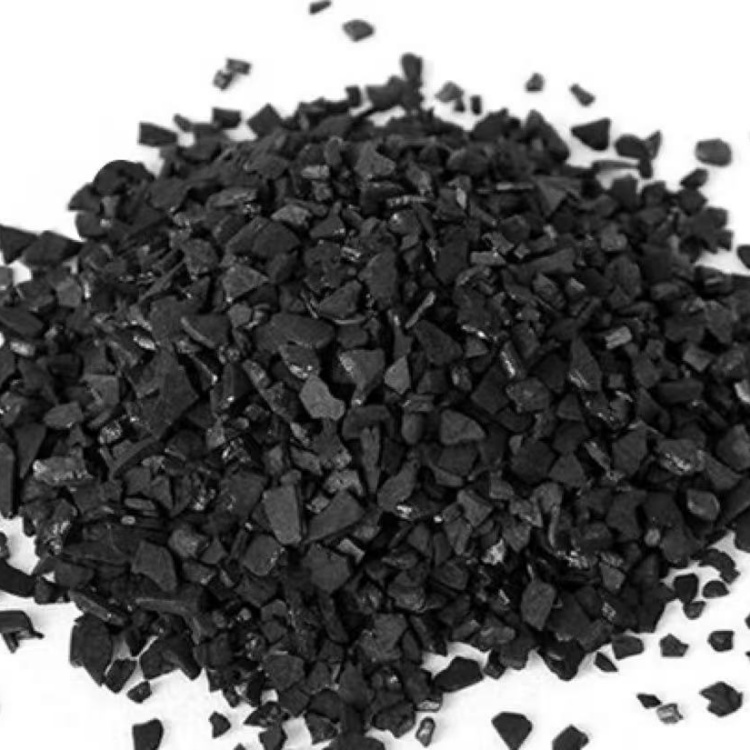
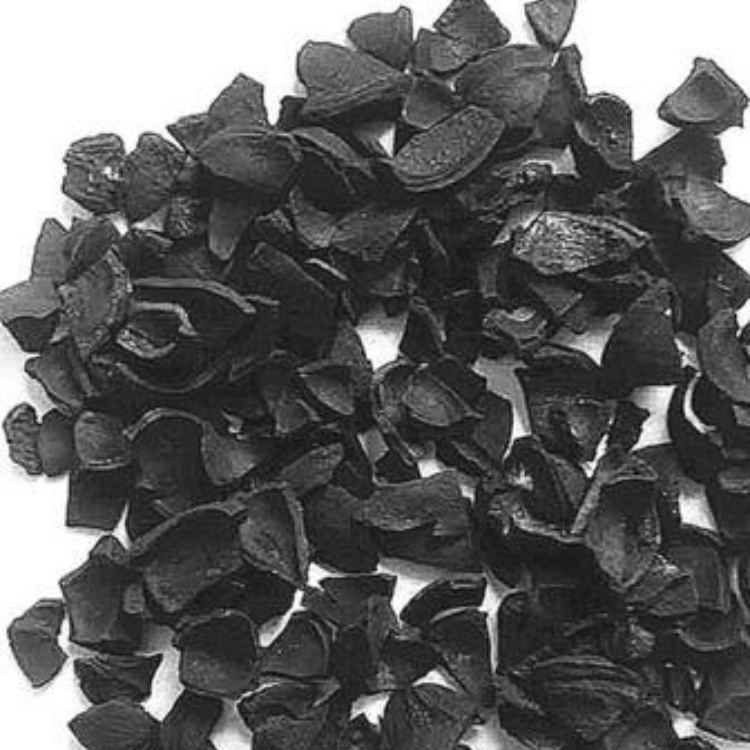
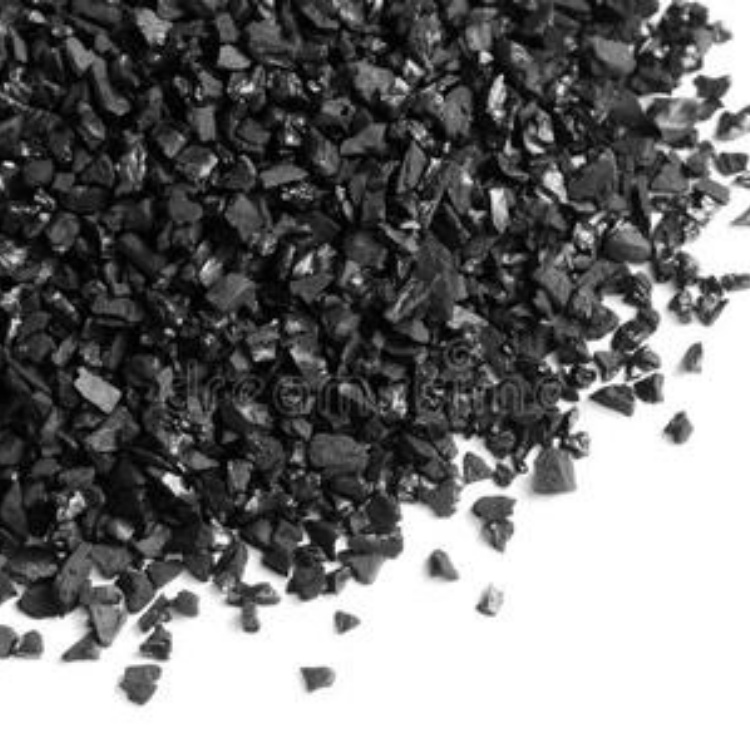
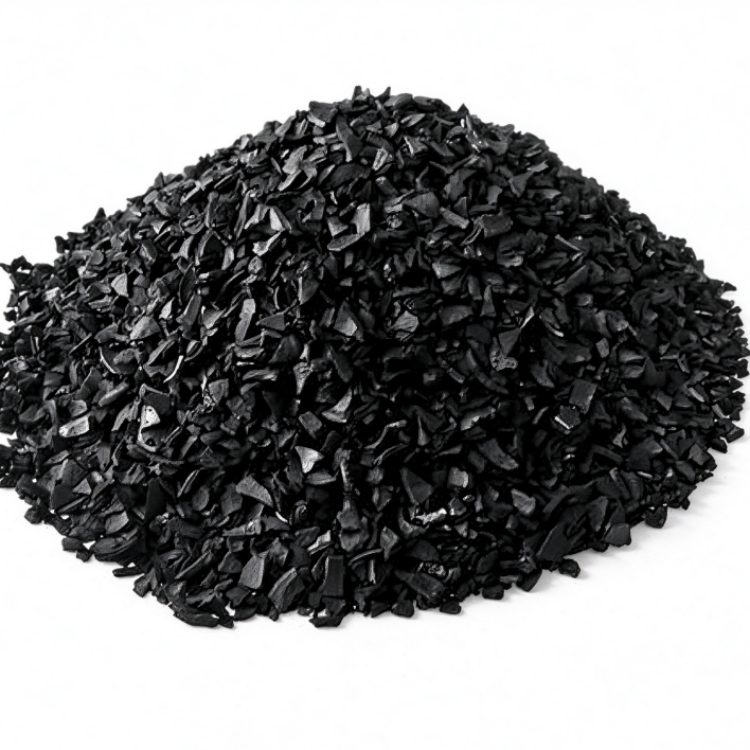
The activated carbon made from fruit shells is sourced from walnut shells, apricot shells, peach shells and other nut shells. It is processed through high-temperature carbonization, steam activation, crushing and screening, as well as acid washing and refining. It is a black, irregularly shaped granular activated carbon. It has a well-developed pore structure, featuring both micropores and mesopores. It has a large specific surface area, high adsorption capacity, good mechanical strength, resistance to wear and impact, and less dust. Compared to coconut shell activated carbon, it offers better cost performance and is suitable for applications such as water treatment, solvent recovery, liquid phase decolorization, and odor removal. Customized specifications are supported. Once it reaches saturation, it can be regenerated and is commonly used as an adsorption filter material in the industrial adsorption field.
Uses of activated carbon shells:
Shell activated carbon is applied in the purification of drinking water, industrial water and wastewater, as well as gas adsorption, such as in power plants, petrochemicals, oil refineries, food and beverages, sugar and alcohol production, electronics, fish farming, maritime transportation and other industries for water quality purification treatment. It can effectively adsorb free substances, phenols, sulfur and other pollutants, being a precursor substance for mutagenic substances (THM), achieving purification and impurity removal while eliminating odors. It can also be used for industrial exhaust gas purification, gas desulfurization, petroleum catalytic reforming, gas separation, pressure swing adsorption, air drying, food preservation, carrier for de-mixing, industrial solvent filtration, decolorization, purification, and other purposes. It can be used for the separation, purification and purification of various gases; solvent recovery; sugar, monosodium glutamate, alcohol, and beverage color removal, odor elimination, and refinement; metal extraction; catalysts and catalyst carriers in the chemical industry. The product has functions such as decolorization, purification, impurity removal, odor elimination, deodorization, carrier, purification, and recovery.
Applied Range:
1.In gas-phase adsorption, coconut shell granular activated carbon is commonly used. Usually, the gas flow passes through the activated carbon layer for adsorption.
2. Air filtration and purification in instrument rooms, air conditioning rooms, basements, and underwater facilities.
3. In gases discharged from chemical plants, leather factories, paint factories, and engineering projects using various solvents,
4. For purifying gases, such as in anti-toxicity, cigarette filter tips, refrigerators, and vehicle exhaust treatment devices, all utilize the adsorption properties of activated carbon.
5. As a carrier for catalysts in catalytic units of oil refineries for removing sulfur compounds (odor removal) from gasoline.
6. For decolorization and purification of mother liquor in the production of monosodium glutamate.
7. For decolorization, purification, and deodorization of various acids such as citric acid, amino acids, and cystine.
8. For water purification in household direct drinking water, water treatment in water plants, and production of bottled water.
Cautions:
1.During transportation, coconut shell activated carbon must be prevented from mixing with hard substances. It should not be stepped on or trodden on to avoid breaking the carbon particles and affecting the quality.
2.The storage should be carried out using porous adsorbents. Therefore, during transportation, storage and usage, complete prevention of water immersion is necessary. Once water is absorbed, a large amount of water fills the active pores, causing the adsorbent to lose its function.
3.Coconut shell activated carbon prevents the occurrence of tar-like substances during use. During this process, tar-like substances must not be allowed to enter the activated carbon bed to avoid blocking the pores of the activated carbon and thus losing its adsorption function. It is necessary to have a device for removing tar to purify the gas.
4.When storing or transporting fireproof activated carbon, it should be kept away from fire sources to prevent ignition. During the regeneration process of the activated carbon, oxygen should be avoided to ensure its reuse. After reuse, it must be cooled to below 80℃ using steam; otherwise, if the temperature is high and oxygen is present, the activated carbon will spontaneously combust.
Shipment
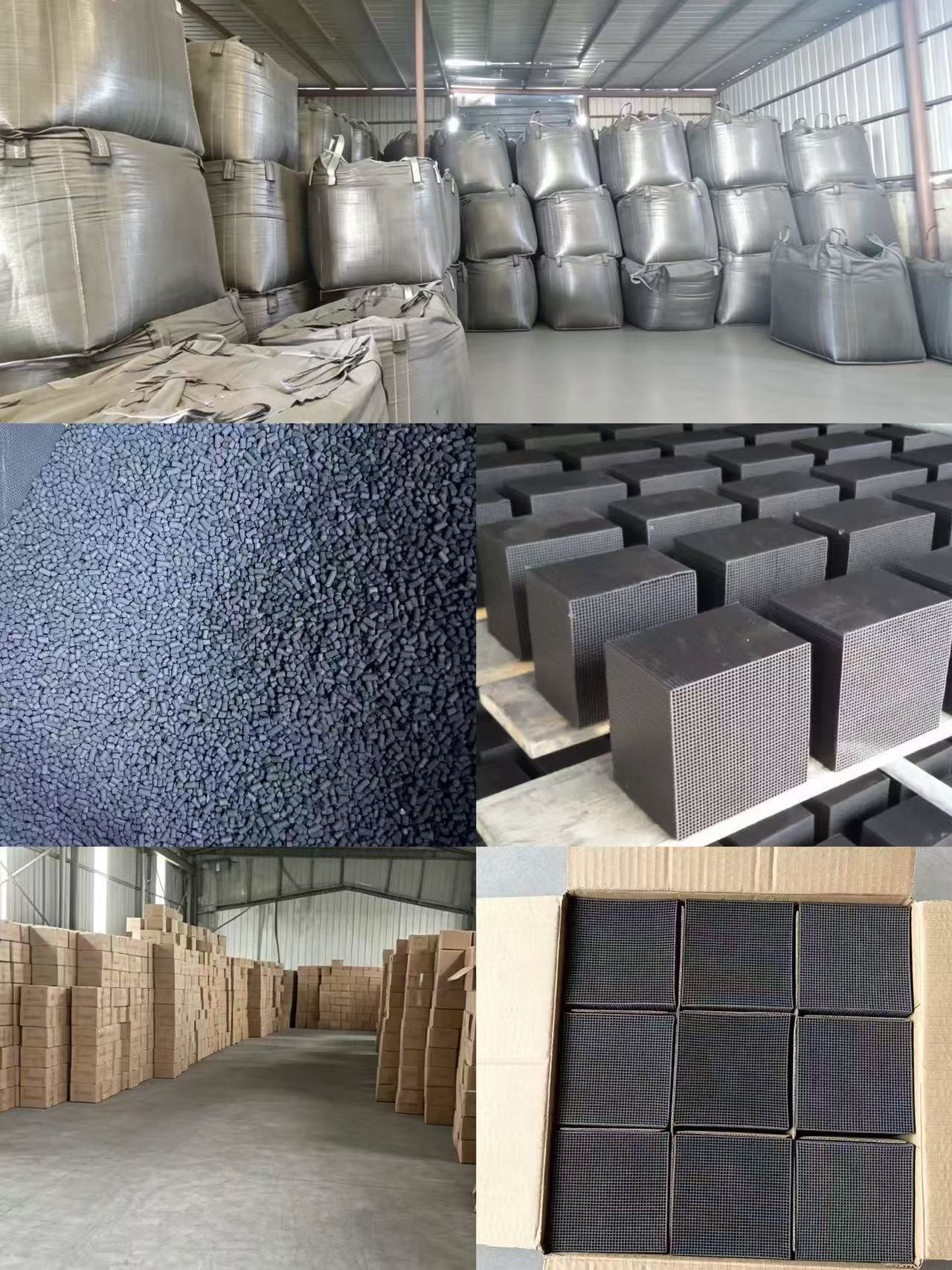
 FAQ
We are a company that integrates R&D, production, sales and technical services.
2. What is your MOQ?
1) Generally 500-1000 kg. But any trial orders ≤ MOQ are warmly welcomed.
2) If you have a sample order, pls feel free to contact us so that can provide you with helpful advice according to your needs to save cost.
3. Are you supported SAMPLE? Is it for FREE?
Yes, sample is supported and it is for free. But freightcharges should be collect.
4. How to ensure the product quality?
1) Support pre-production sample before mass production.
2) Support final Inspection before shipment.
5. What services can you provide?
1) Selected & suitable products(from ourselves manufacture or bulk high-quality cooperative suppliers) and competitive price.
2) One-stop consultation and freight forwarding services in trade process can be provided and perfectly delivery.
6. What is your general delivery time?
Usually 3-7 working days (for ready-made samples) and 15-20working days (for bulk orders).
Contact: Amber
Phone: 13991423357
E-mail: salesmanager@frank-tech.com
Whatsapp:18970865277
Add: No. 1, Fengjialing, Xinshi Subdistrict, Miluo City, Hunan Province