salesmanager@frank-tech.com
13991423357

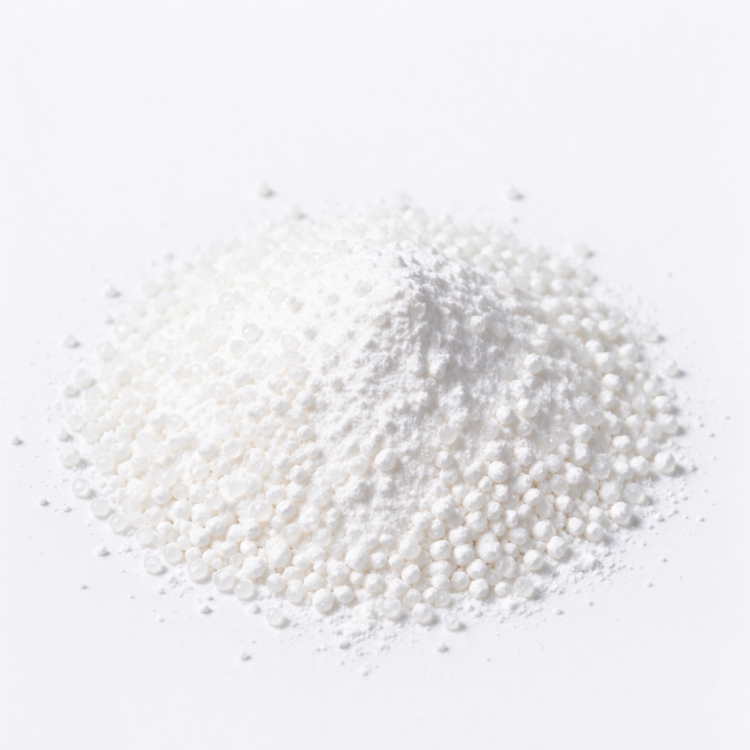
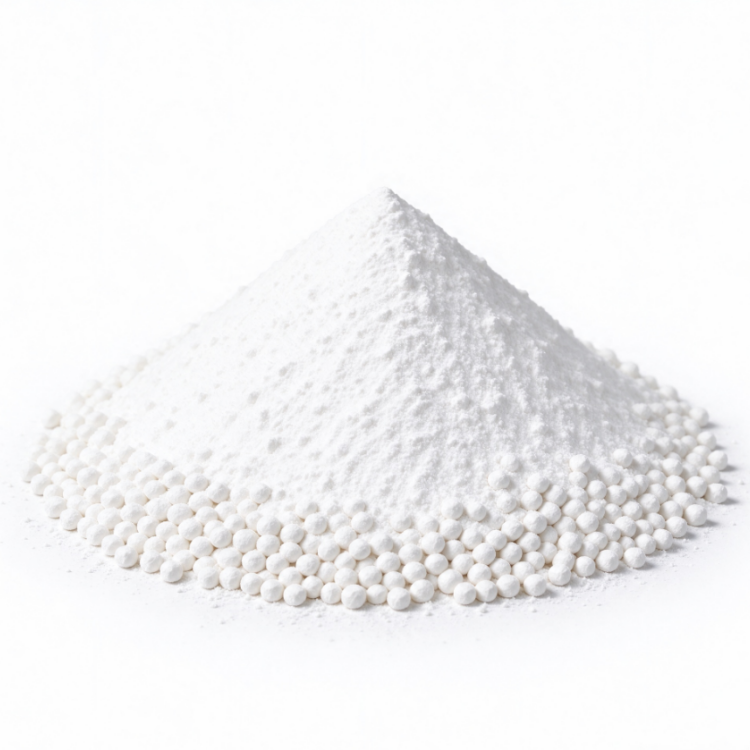
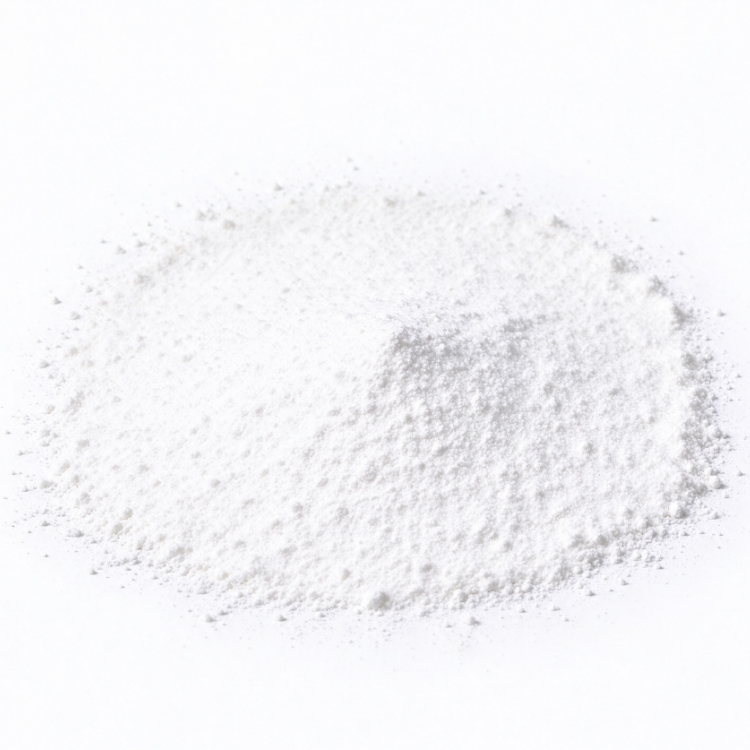
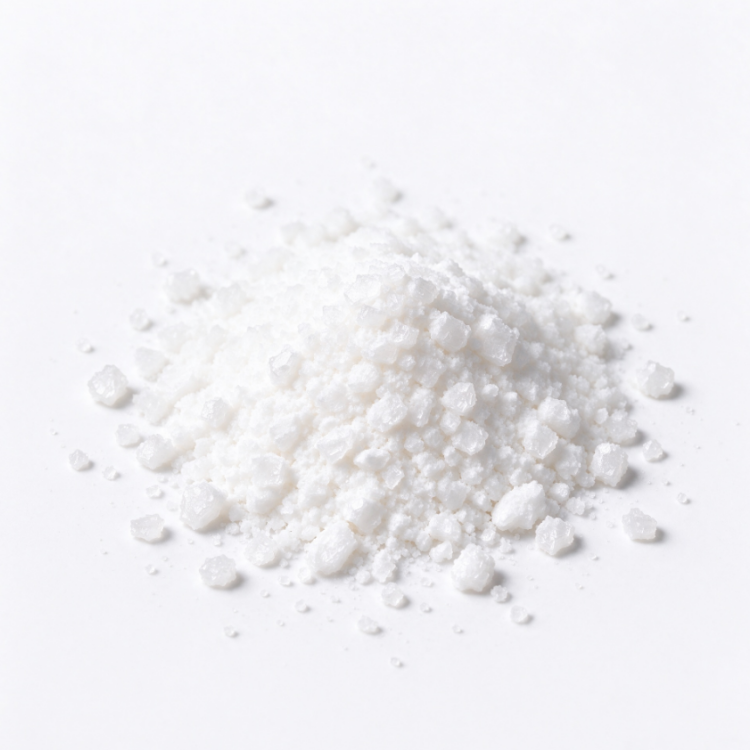
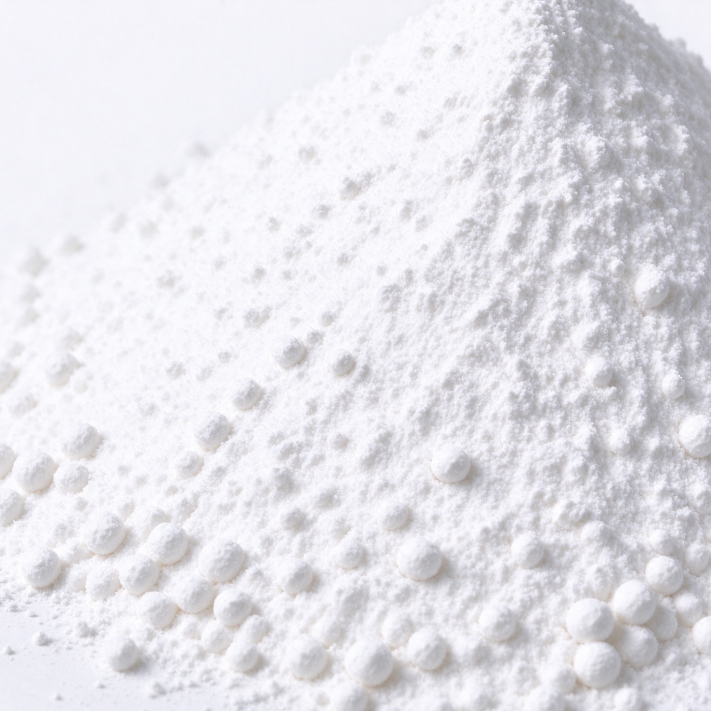
Appearance: White granules / White powder.
Solid content ≥ 90%.
Dissolution time: 40 - 60 minutes.
Molecular weight: 3 million - 22 million (varies by model)
Product details
Polyacrylamide is abbreviated as PAM. It is further classified into anionic (HPAM), cationic (CPAM), and nonionic (NPAM). It is a linear polymer and is one of the most widely used types of water-soluble polymer compounds. Polyacrylamide and its derivatives can be used as effective flocculants, thickening agents, paper strengthening agents, and fluid drag reducers, and are widely applied in industries such as water treatment, papermaking, petroleum, coal, mining, geology, textiles, construction, etc.
Core Advantage:
1. The flocculation process is fast, the flocs are dense, the sedimentation effect is good, the dosage is low, and the usage cost is low.
2. A wide range of ion types are available, suitable for different water qualities and wastewater from various industries.
3. Good water solubility, can be added directly after stirring and dissolving, and the operation is simple.
4. The acid and alkali resistance is stable, suitable for various complex wastewater conditions.
5. Excellent dewatering performance, the sludge dewatering results in a low moisture content of the sludge cake, facilitating subsequent transportation and disposal.
Application Scenarios:
1.As a flocculant, it is mainly applied in the solid-liquid separation processes in industry, including sedimentation, clarification, concentration and sludge dewatering, etc. The main industries where it is applied include: urban sewage treatment, paper industry, food processing industry, petrochemical industry, metallurgical industry, mineral processing industry, dyeing industry and sugar industry, as well as various industrial wastewater treatment. It is used in the sludge sedimentation and sludge dewatering processes in urban sewage and wastewater treatment of meat, poultry and food processing. Through the positive charge groups it contains to neutralize the electrical charge of negative charge organic colloids in the sludge and the excellent bridging and coagulation function of high polymers, it promotes the aggregation of colloidal particles into large flocculent masses, and separates them from the suspension. The effect is obvious and the dosage is small.
2.In the paper industry, it can be used as a dry strength agent, retention aid and filtration aid for paper, which can greatly improve the quality of the produced paper, save costs and enhance the production capacity of the paper mill. It can directly interact with inorganic salt ions, fibers and other organic polymers through electrostatic bridging to enhance the physical strength of the paper, reduce the loss of fibers or fillers, accelerate water filtration, and play the roles of strengthening, retention aid and filtration aid. It can also be used for the treatment of white water, and at the same time, it can have a significant flocculation effect during the deinking process.
3.The fiber slurry (asbestos-cement product) can improve the drainage performance of the formed asbestos-cement products and enhance the strength of the asbestos sheet materials; in the insulating board, it can improve the bonding ability between the additives and the fibers.
4.It can be used as a clarifying agent for mine wastewater and coal washing wastewater in the mining and coal processing industries.
5. It can be applied to the treatment of dyeing wastewater, leather wastewater and oily wastewater, removing turbidity and color to meet discharge standards.
6. In the purification of phosphoric acid, it helps with the separation of gypsum in the wet process of phosphoric acid production.
7. It is used as a flocculant in water treatment of waterworks using river water as the source.
Usage Instructions:
1. Prepare a 0.2% concentration aqueous solution. It is preferable to use neutral water without salt for practical purposes.
2. As the applicable pH range of this product is quite wide, the general dosage is 0.1 - 10 ppm (0.1 - 10 mg/L).
3. Complete dissolution. When dissolving, thoroughly stir the water body before slowly and evenly adding the powder. This is to prevent the formation of large clumps and fish-eye phenomena, which could cause blockages in the pipes and pumps.
4. The general recommended stirring speed is 200 revolutions per minute, and the duration should be no less than 60 minutes. Appropriately increasing the water temperature by 20-30 degrees Celsius can accelerate the dissolution. The temperature of the solution should be less than 60 degrees.
5. Determine the appropriate dosage. Before use, determine the appropriate dosage through experiments. If the dosage is too low, it will have no effect; if it is too high, it will have the opposite effect. When the concentration exceeds a certain level, PAM will not cause flocculation but instead will stabilize the dispersion.
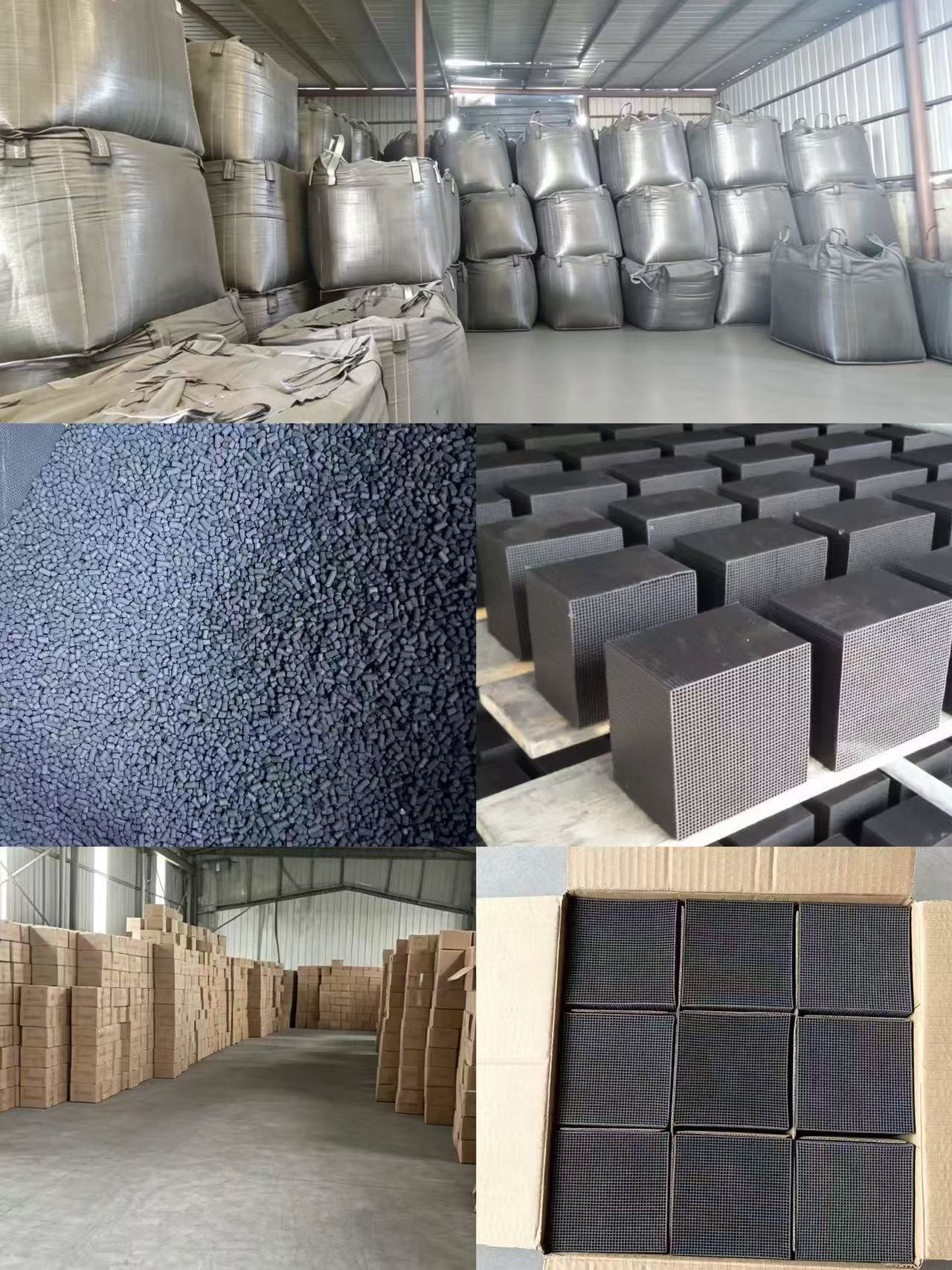
Shipment
 FAQ
We are a company that integrates R&D, production, sales and technical services.
2. What is your MOQ?
1) Generally 500-1000 kg. But any trial orders ≤ MOQ are warmly welcomed.
2) If you have a sample order, pls feel free to contact us so that can provide you with helpful advice according to your needs to save cost.
3. Are you supported SAMPLE? Is it for FREE?
Yes, sample is supported and it is for free. But freightcharges should be collect.
4. How to ensure the product quality?
1) Support pre-production sample before mass production.
2) Support final Inspection before shipment.
5. What services can you provide?
1) Selected & suitable products(from ourselves manufacture or bulk high-quality cooperative suppliers) and competitive price.
2) One-stop consultation and freight forwarding services in trade process can be provided and perfectly delivery.
6. What is your general delivery time?
Usually 3-7 working days (for ready-made samples) and 15-20working days (for bulk orders).
Contact: Amber
Phone: 13991423357
E-mail: salesmanager@frank-tech.com
Whatsapp:18970865277
Add: No. 1, Fengjialing, Xinshi Subdistrict, Miluo City, Hunan Province