salesmanager@frank-tech.com
13991423357

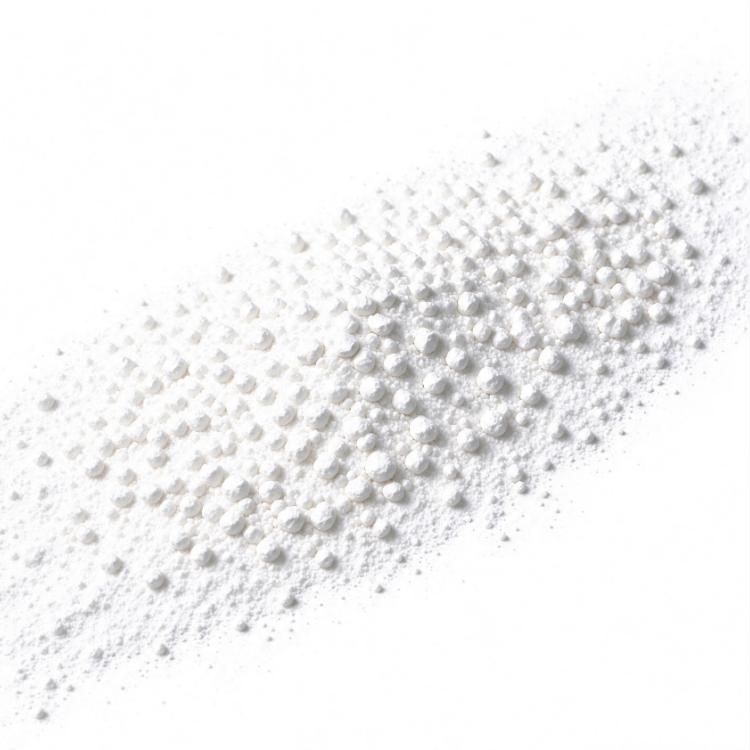
Solid content: ≥ 90%
Molecular weight: 3 million - 20 million
Residual monomers: ≤ 0.05%
Dissolution time: 40 - 60 minutes
Preparation concentration: 0.1% - 0.3%
PH range: 3 - 9
Product details
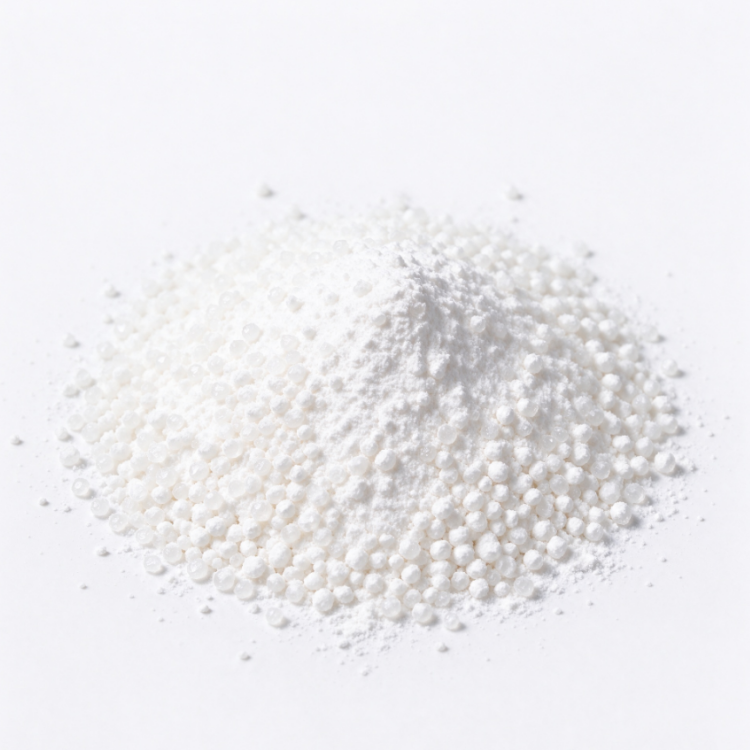
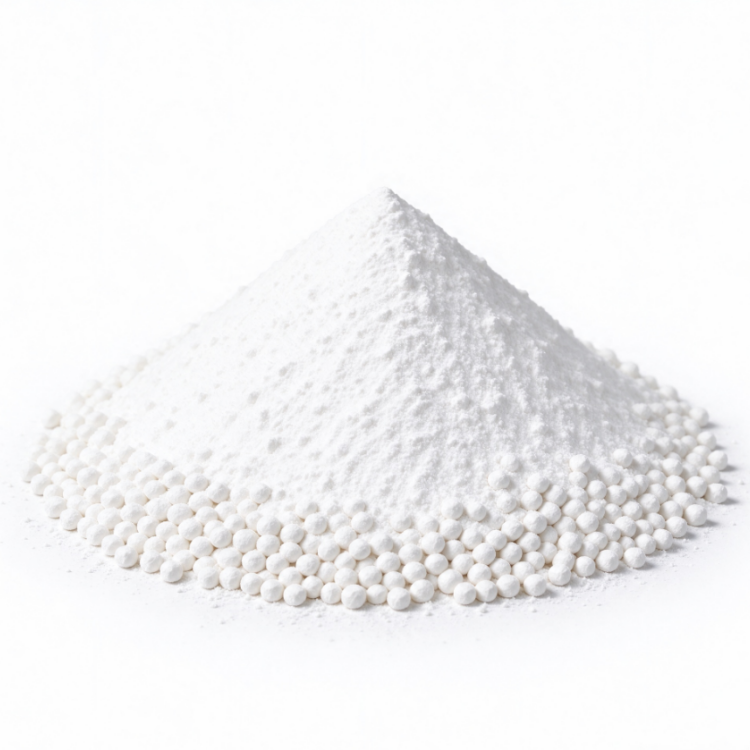
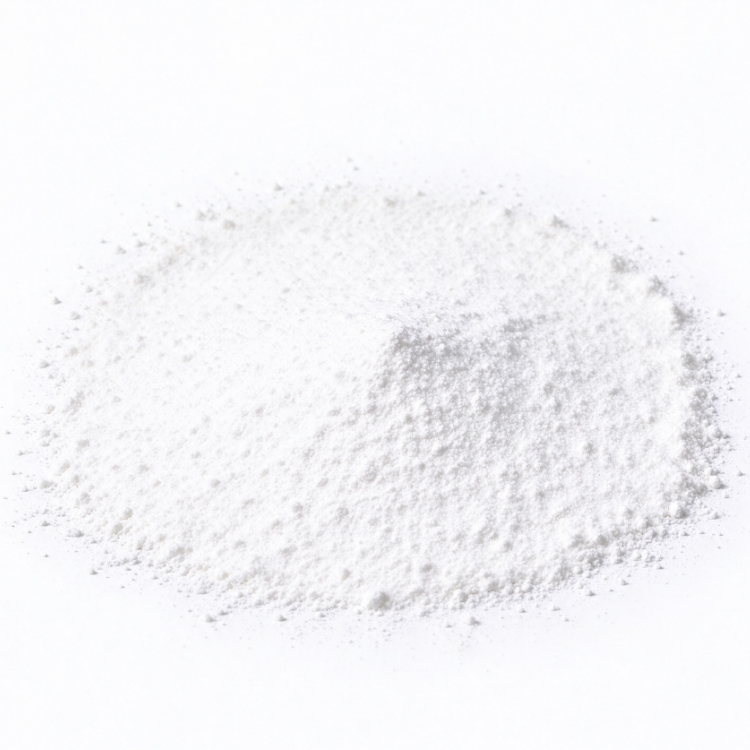
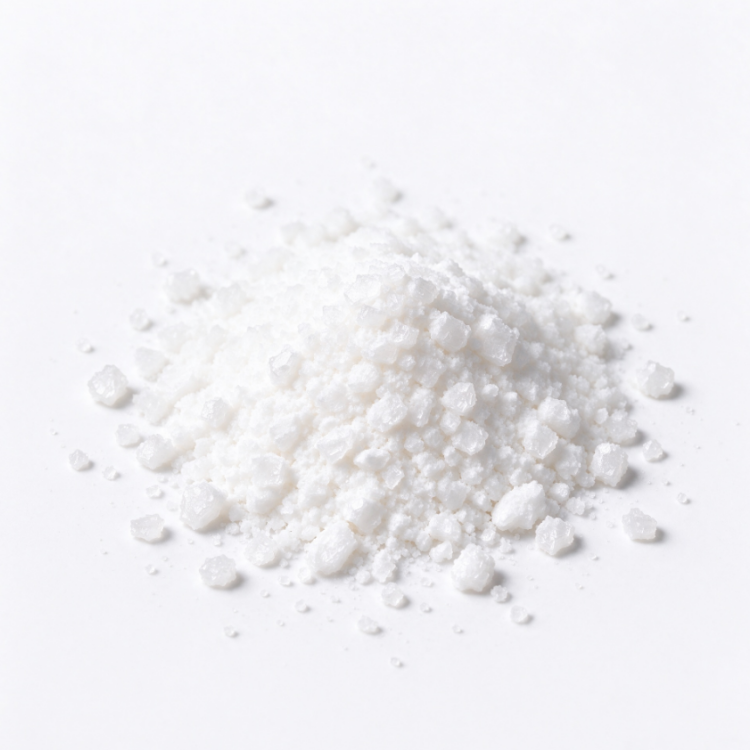
Polyacrylamide specifically designed for wastewater treatment is a water-soluble high-molecular flocculant available in various types, including anionic, cationic, non-ionic, and amphoteric forms. It is developed for solid-liquid separation, turbidity removal, decolorization, and sedimentation in diverse industrial and complex wastewater applications. Through mechanisms such as electrostatic neutralization, adsorption bridging, and chelation, it effectively captures suspended particles and colloidal pollutants in water, rapidly forming stable flocs to achieve efficient sludge-water separation, reduce COD and suspended solids, and improve effluent quality. The product appears as white granules or fine powder, exhibits excellent solubility, and is suitable for different water qualities and pH conditions.
Polyacrylamide specifically used for wastewater treatment is generally classified into three levels according to the degree of treatment:
Primary treatment: The task is to remove solid pollutants in suspension form from wastewater. For this purpose, physical treatment methods are mostly adopted. Generally, after primary treatment, the removal rate of suspended solids is 70% to 80%, while the removal rate of biochemical oxygen demand (BOD) is only about 25% to 40%. The purification degree of the wastewater is not high.
Secondary treatment: The task is to significantly remove organic pollutants from wastewater. Taking BOD as an example, after secondary treatment, the BOD content in the wastewater can be reduced by 80% to 90%. For instance, after urban sewage treatment, the BOD content in the water can be lower than 30 milligrams per liter. Most of the treatment units in aerobic biological treatment methods can meet this requirement.
Tertiary treatment: The task is to further remove pollutants that were not removed by the secondary treatment, including organic substances that microorganisms failed to degrade, phosphorus, nitrogen, and soluble inorganic substances. Tertiary treatment is an additional one or several treatment units added after the secondary treatment, in order to remove certain specific pollutants such as phosphorus and nitrogen from the wastewater; High-quality treatment is often a treatment unit or system added after the secondary treatment, with the aim of wastewater recovery and reuse.
Core Advantages:
1. It quickly forms large flocculent masses, with large and compact flocs, and a small amount of sludge with fast flocculation and sedimentation speed;
2. It dissolves rapidly and completely, without any insoluble substances (fish eyes); the powder form product dissolves in about 60 minutes;
3. Economical and practical - small dosage, good effect, high dewatering rate; low operating cost, a low dose can produce an effective effect and has high dewatering performance, very economical;
4. Excellent filtration and dewatering properties improve the dewatering effect of the sludge;
5. It can be automatically fed; the treatment is simple. Floc formation, influence and product selection
6. It can be specially used for high-viscosity aqueous solution state. The solution state is a viscous gel system with good fluidity.
7. It is applicable to industrial water supply, urban sewage, chemical wastewater, mining and other industrial fields. It can accelerate the sedimentation speed of precipitates, and because the synthesized floccules are easy to filter, it can improve the dehydration efficiency.
8. It can cause the active groups in the aqueous solution to react with each other. In slurry and suspension, these active groups have a strong attraction to the surface of suspended colloids or very fine particles.
9. From the electrolysis of the products, it can be seen that the interaction between them and the solid particles is based on the formation of hydrides, which leads to destabilization of the particle surface, just like non-ionic polymers or electrostatic effects and charge exchange. Anions (negative charges) and cations (positive charges) of the products act in the same way. The instability and coagulation of a large number of individual particles lead to the formation of large floccules, which can be easily separated from the suspension. Therefore, whether the effect of a product is suitable mainly depends on the potential energy acting on the particle surface. This potential energy depends not only on the particles themselves but also on the ionicity of water, pH value, electrical conductivity, hardness, surface activity and other external environmental conditions.
10. Selecting the appropriate product type for a particle can be easily done through experiments such as beaker experiments. It is important to conduct these experiments under specified operating conditions (such as temperature, stirring, and the addition amount of other promoting substances) for the initially mixed suspension of solid and liquid.
11. The types, size, concentration, pH value, and stirring conditions of the suspended matter in the treated wastewater (sludge) will all affect the treatment effect of the high-molecular flocculant. It is necessary to conduct on-site debugging or beaker experiments according to different conditions to obtain the appropriate usage conditions and determine the excellent product and dosage.
12. The flocculant must be effectively dispersed and carefully dissolved to avoid the rapid dissolution of the powder surface, which leads to the adhesion between particles and causes "fish eyes" that have not been dissolved inside the particles.
13. The granular and powder-like products are hygroscopic. The remaining medicine after opening the package should be re-sealed for storage.
14. The products are usually stored in plastic-lined paper bags. Under dry and well-ventilated conditions, it is recommended to use the granular and powder-like products within one year, with a validity period of two years.
15. The dissolved flocculant has poor storage stability. It should be used within 24 hours after dissolution. If it is left for 2-3 days, the viscosity will decrease and the function will be impaired.
16. A series of experiments have proved the pharmacological inactivity of this product. However, we suggest that when using these products for long-term or repeated large-scale applications, protective goggles, work gloves or other safety devices should be worn to avoid "skin contact". After each operation and handling, the face and hands should also be washed.
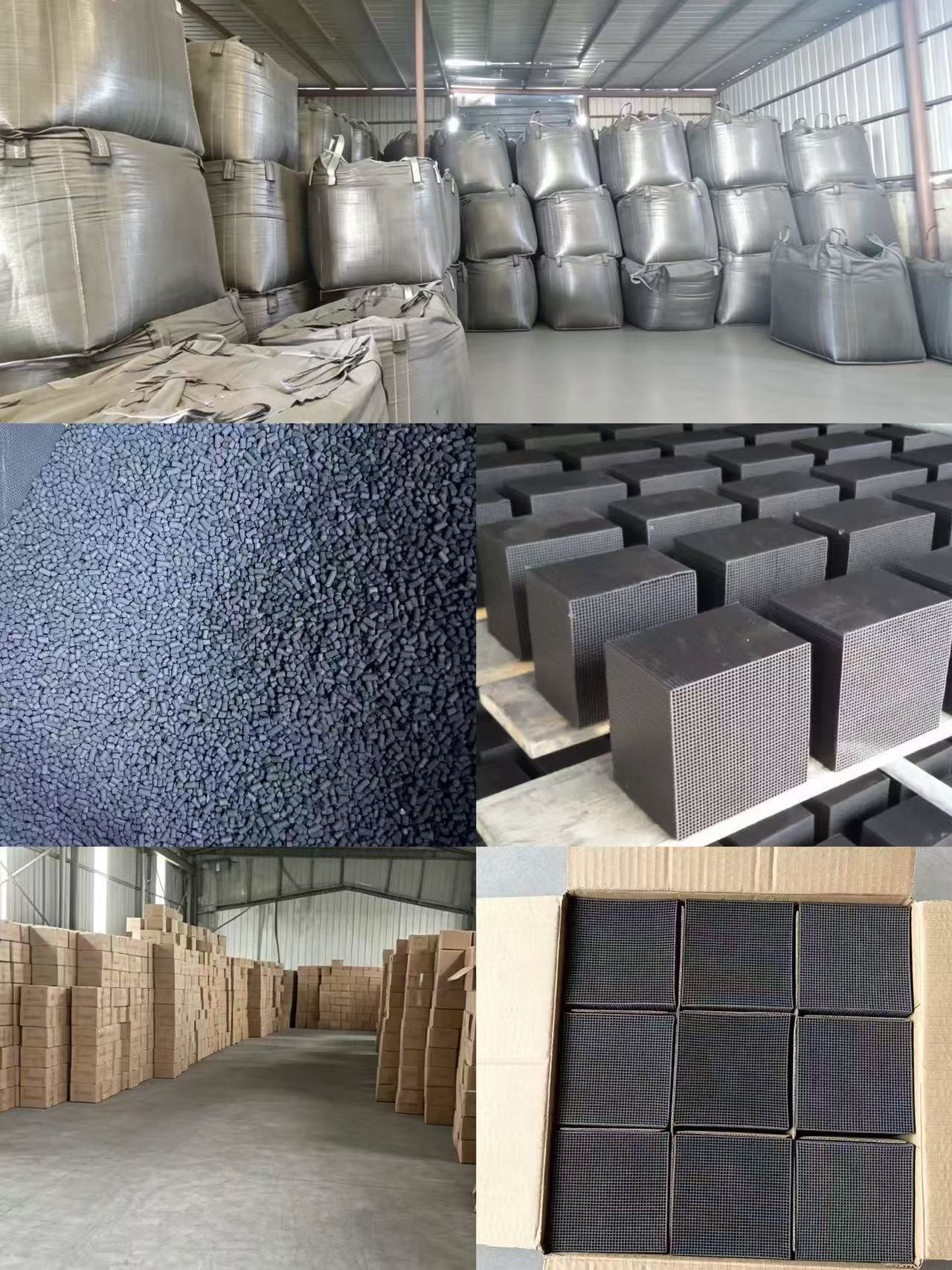
Shipment
 FAQ
We are a company that integrates R&D, production, sales and technical services.
2. What is your MOQ?
1) Generally 500-1000 kg. But any trial orders ≤ MOQ are warmly welcomed.
2) If you have a sample order, pls feel free to contact us so that can provide you with helpful advice according to your needs to save cost.
3. Are you supported SAMPLE? Is it for FREE?
Yes, sample is supported and it is for free. But freightcharges should be collect.
4. How to ensure the product quality?
1) Support pre-production sample before mass production.
2) Support final Inspection before shipment.
5. What services can you provide?
1) Selected & suitable products(from ourselves manufacture or bulk high-quality cooperative suppliers) and competitive price.
2) One-stop consultation and freight forwarding services in trade process can be provided and perfectly delivery.
6. What is your general delivery time?
Usually 3-7 working days (for ready-made samples) and 15-20working days (for bulk orders).
Contact: Amber
Phone: 13991423357
E-mail: salesmanager@frank-tech.com
Whatsapp:18970865277
Add: No. 1, Fengjialing, Xinshi Subdistrict, Miluo City, Hunan Province