salesmanager@frank-tech.com
13991423357

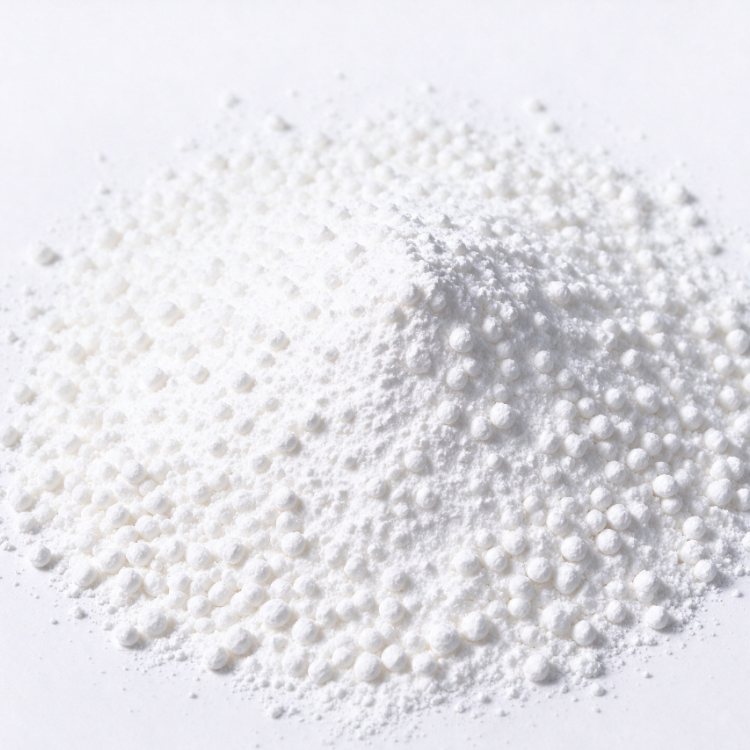
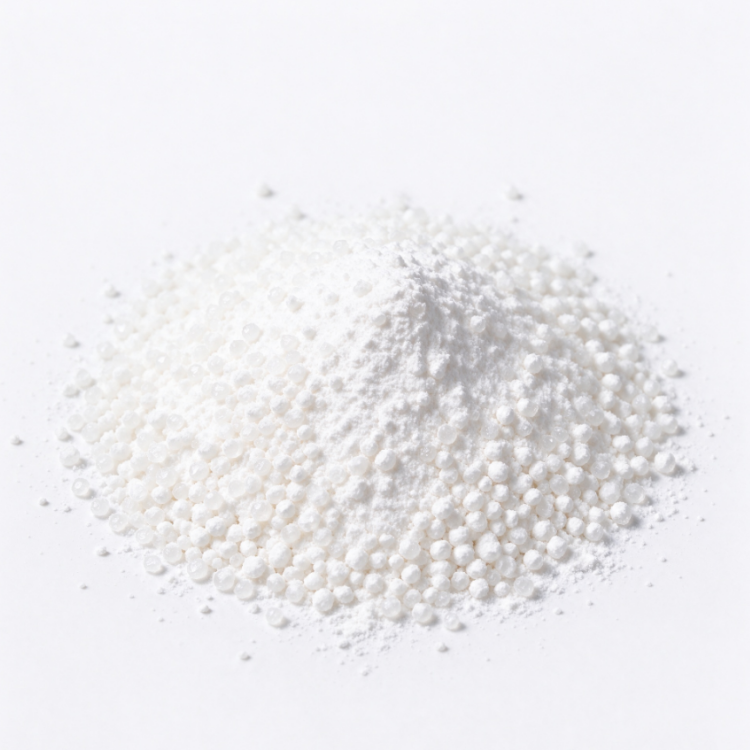
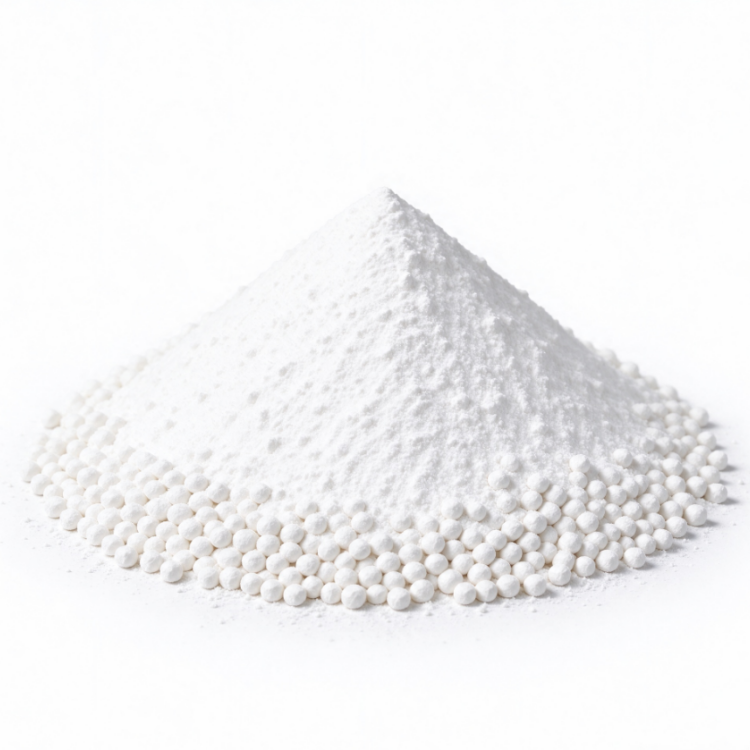
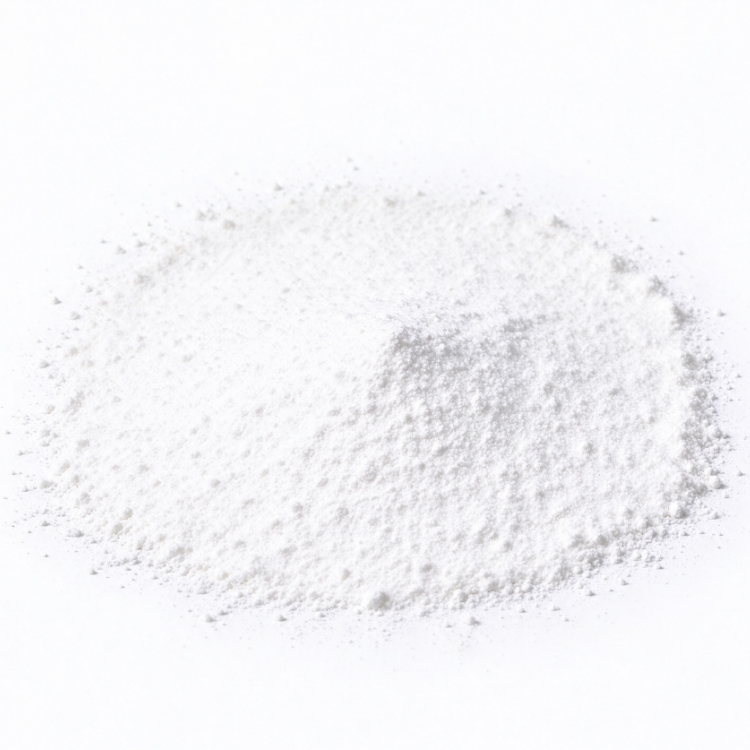
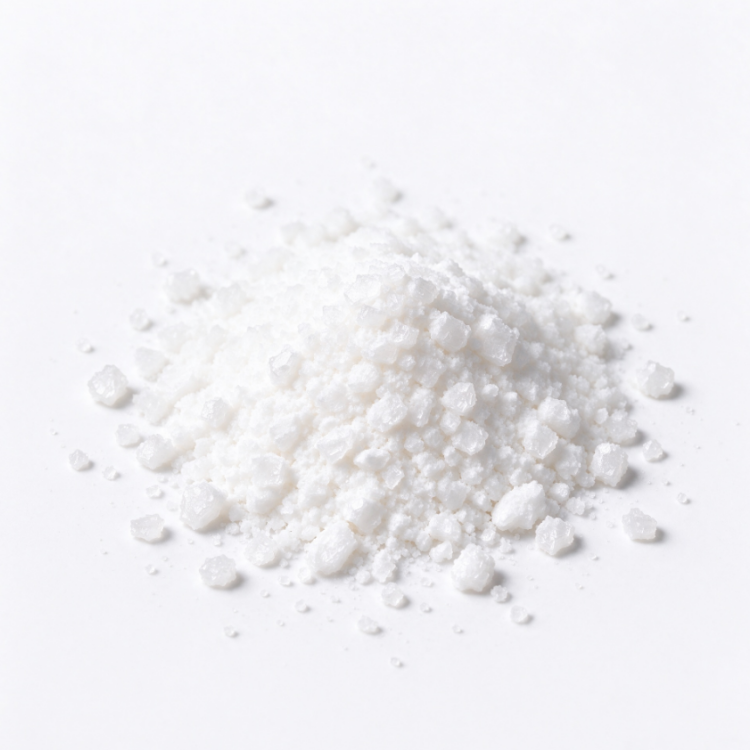
Solid content ≥ 90%
Molecular weight 3 million – 20 million
Ion type: Anion / Cation / Non-ion / Amphoteric
Residual monomer ≤ 0.05%
Dissolution time: 40 – 60 minutes
Recommended preparation concentration: 0.1% – 0.3%
Product details
The special polyacrylamide for sewage treatment is highly effective in treating suspended particles, with high concentration and particles carrying positive charges. It is suitable for wastewater with a neutral or alkaline pH value, such as those from steel mills, electroplating plants, metallurgical plants, and coal washing plants. The treatment effect is excellent. Sewage treatment is generally divided into production sewage treatment and domestic sewage treatment. Production sewage includes industrial sewage, agricultural sewage, and medical sewage, etc., while domestic sewage refers to the wastewater generated from daily life, which is a complex mixture of various inorganic and organic substances, including: ① large-sized solid particles that are floating or suspended; ② colloidal and gel-like diffusions; ③ pure solutions.
The special polyacrylamide for sewage treatment can be classified into three levels of treatment based on the degree of treatment: primary, secondary and tertiary treatment:
Primary treatment: The main purpose of primary treatment is to remove the suspended solid pollutants in the wastewater. Most physical treatment methods can only meet the requirements of primary treatment. After primary treatment, the BOD of the wastewater can generally be reduced by about 30%, but it still fails to meet the discharge standards. Primary treatment is the pre-treatment for secondary treatment.
Secondary treatment: Mainly removes organic pollutants in the wastewater that exist in colloidal and dissolved states (BOD, COD substances), with a removal rate of over 90%, enabling the organic pollutants to meet the discharge standards.
Tertiary treatment: Further treatment of refractory organic substances, nitrogen and phosphorus (which can cause eutrophication of water bodies) and other soluble inorganic substances that can lead to water pollution. The main methods include biological nitrogen and phosphorus removal methods, coagulation sedimentation method, sand filtration method, activated carbon adsorption method, ion exchange method and electrodialysis method, etc.
The entire process is as follows: The raw sewage that passes through the coarse grille is first lifted by a sewage lift pump, then passes through a grille or screen separator, and subsequently enters the sedimentation tank. The sewage that undergoes sand-water separation then enters the primary sedimentation tank. This is the first stage of treatment (i.e., physical treatment). The effluent from the primary sedimentation tank is directed to the biological treatment equipment, which includes activated sludge method and biofilm method (among which the reactors of the activated sludge method include aeration tanks and oxidation ditches, while the biofilm method includes biofilter, biorotor, biocontact oxidation method and biofluidized bed). The effluent from the biological treatment equipment then enters the secondary sedimentation tank. The effluent from the secondary sedimentation tank is either treated to remove toxins and then discharged or enters the tertiary treatment. The end of the first stage of treatment is here. The tertiary treatment includes biological nitrogen and phosphorus removal method, coagulation sedimentation method, sand filtration method, activated carbon adsorption method, ion exchange method and electrodialysis method. The sludge from the secondary sedimentation tank is partly returned to the primary sedimentation tank or the biological treatment equipment, and partly enters the sludge concentration tank. Then it goes to the sludge digestion tank. After being dehydrated and dried by the equipment, the sludge is utilized.
Core Adavantages:
1.Flocculation property: PAM can achieve flocculation by means of electro-neutralization and bridging adsorption.
2.Adhesion property: It can exert adhesion through mechanical, physical and chemical actions.
3.Dissipation property: PAM can effectively reduce the frictional resistance of fluids. Adding a small amount of PAM to water can reduce the resistance by 50-80%.
4.Thickening property: PAM has thickening effects in both neutral and acidic conditions. When the pH value is above 10°C and PAM undergoes hydrolysis and forms a semi-net structure, the thickening effect will be more obvious.
Shipment
 FAQ
We are a company that integrates R&D, production, sales and technical services.
2. What is your MOQ?
1) Generally 500-1000 kg. But any trial orders ≤ MOQ are warmly welcomed.
2) If you have a sample order, pls feel free to contact us so that can provide you with helpful advice according to your needs to save cost.
3. Are you supported SAMPLE? Is it for FREE?
Yes, sample is supported and it is for free. But freightcharges should be collect.
4. How to ensure the product quality?
1) Support pre-production sample before mass production.
2) Support final Inspection before shipment.
5. What services can you provide?
1) Selected & suitable products(from ourselves manufacture or bulk high-quality cooperative suppliers) and competitive price.
2) One-stop consultation and freight forwarding services in trade process can be provided and perfectly delivery.
6. What is your general delivery time?
Usually 3-7 working days (for ready-made samples) and 15-20working days (for bulk orders).
Contact: Amber
Phone: 13991423357
E-mail: salesmanager@frank-tech.com
Whatsapp:18970865277
Add: No. 1, Fengjialing, Xinshi Subdistrict, Miluo City, Hunan Province